
To have or not to have is a question many women are asking themselves.
For an increasing number of young women, having children is no longer the expectation, but a decision they are actively questioning, postponing or rejecting. As things stand, the UK’s fertility rate has fallen to 1.39 children per woman, its lowest recorded level since 1938. This is a concern because 2.1 children are needed to prevent a population dip in a developed nation like Britain.
But behind these statistics, personal, environmental, financial and social reasons underpin the decision to delay or dismiss motherhood. To better understand this shift, I’ve asked women to tell me their side of the story.
A Conscious Choice
As geopolitical tensions run high and living costs keep rising, many young women are all too conscious of the economic and social consequences of having a child.
Though once considered taboo, choosing not to have children and reclaiming one’s reproductive agency is now increasingly acceptable and even seen as brave and empowering. Women who can choose when and if to have children are also more free to choose other things, such as pursuing their dreams and personal goals.
Women Speak
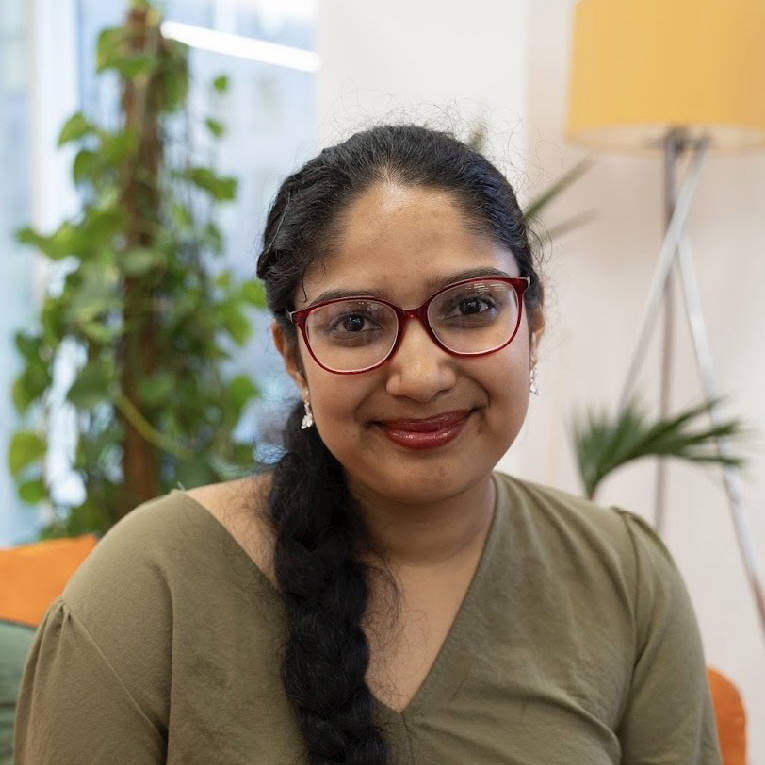
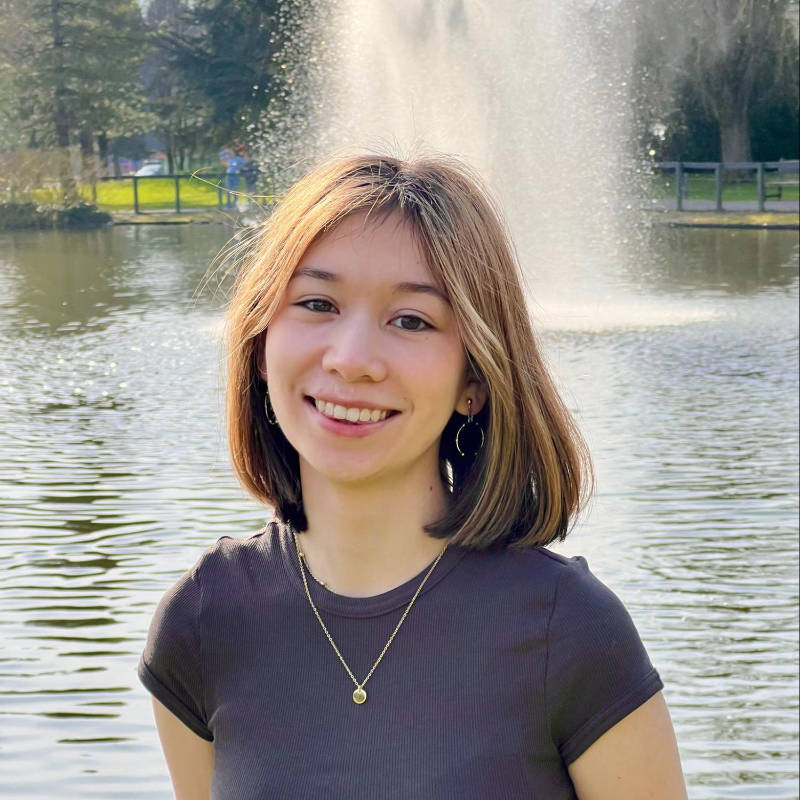
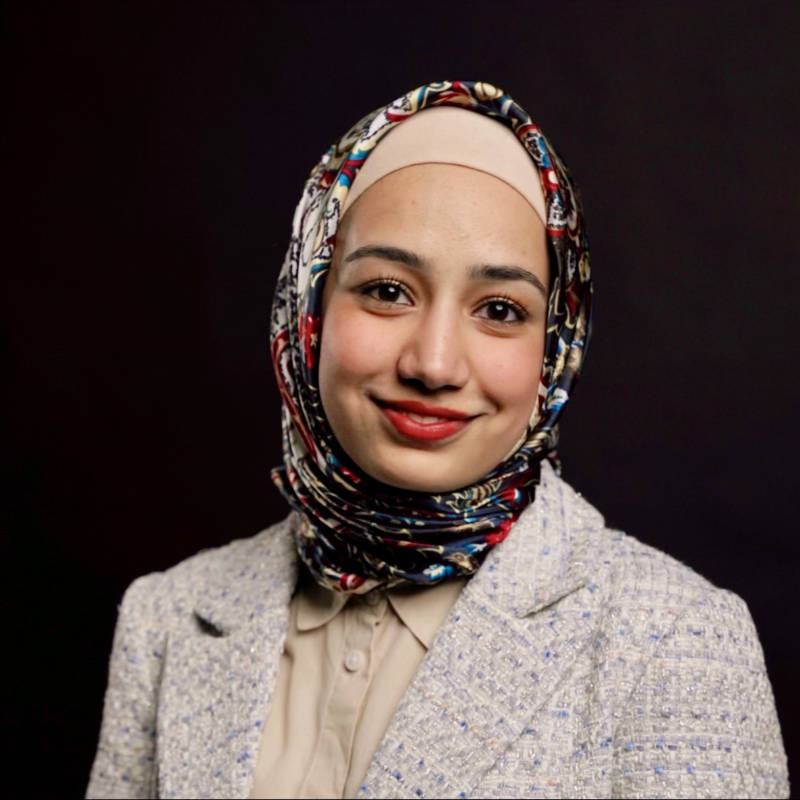
For 29-year-old Umi, from London, she is certain that she doesn’t want to have children. Having helped raise her two younger sisters, she says: ‘I don’t feel like I would like to devote my life to building families again.’
Having a child can become an enormous pressure, notes Umi, especially when a woman also has to be a source of income:
‘You have to work and support your family, but also you have to be a full-time mum as well. That’s two jobs for women.’
But Umi remains excited and optimistic about the future. She wants to give back to society through her career as a humanitarian aid worker.
‘I work especially in the field of education,’ she tells me, ‘because [though] I chose not to have kids, I have a huge respect for those who did, and I would like to be there for the children and women going through a really difficult time now.’
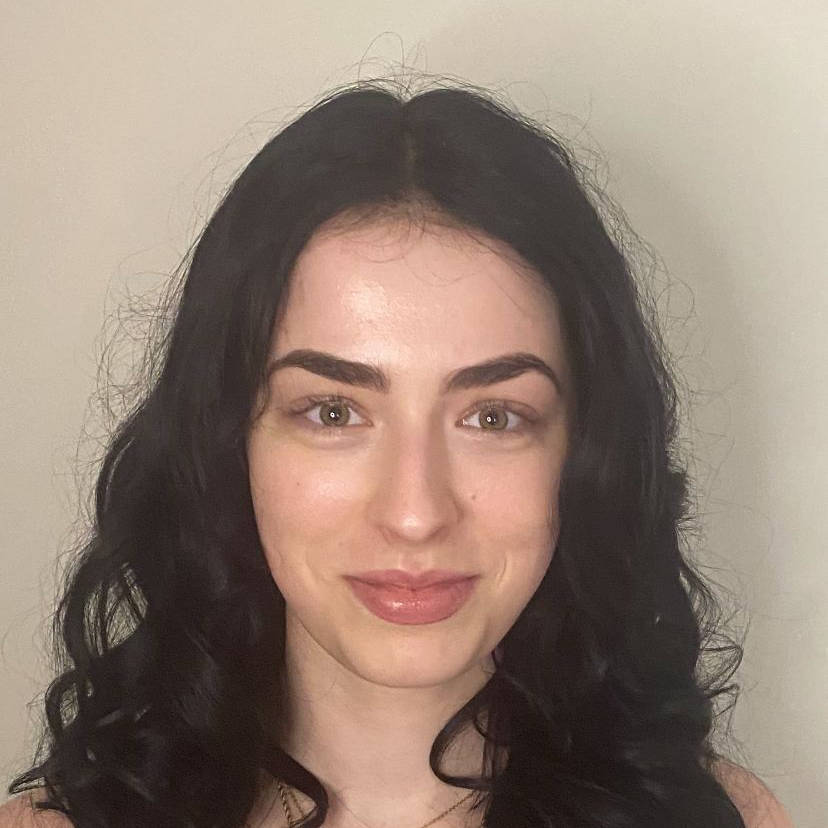
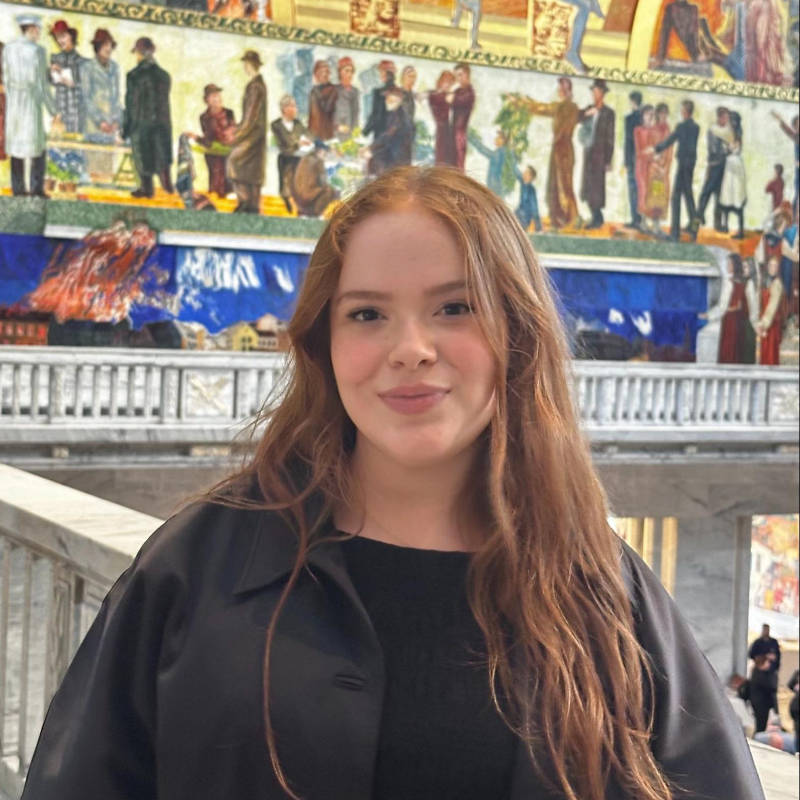
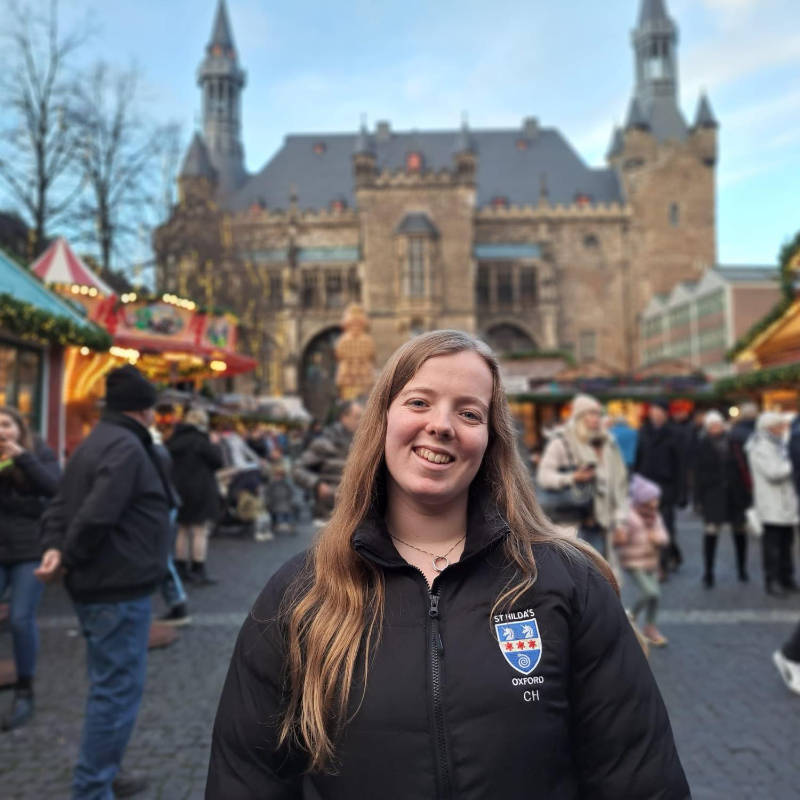
Emily, 32, from Oxford, cites climate change as the biggest factor in changing her perspective towards having children. She says:
‘Bringing kids into a world that seems to be a less and less liveable place just doesn’t seem to be a thing you would do for someone you love.’
Reflecting on that decision, she explains that it has been ‘really empowering,’ opening up all kinds of alternative life paths for her that she might otherwise not have been able to pursue — like returning to university at 32.
However, she also highlights the inescapability of those awkward exchanges with family members and friends, revealing:
‘… having all of these conversations [about kids] is really emotionally exhausting, and I kind of want to get away from it.’
Laughing, she recalls a book she recently picked up about gardening which ‘turned out to actually be about whether or not the author wanted a child.’
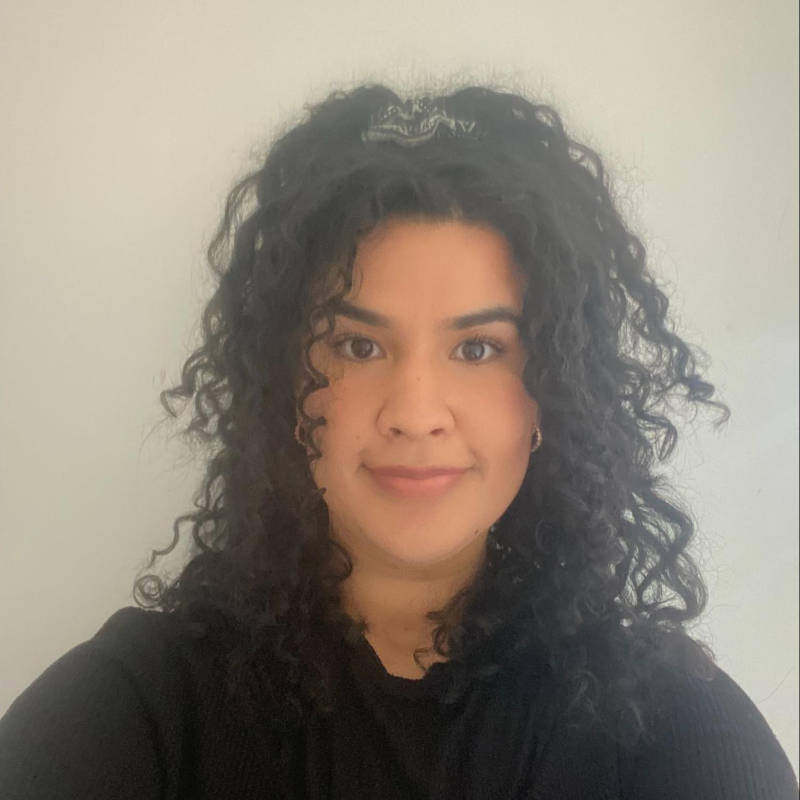
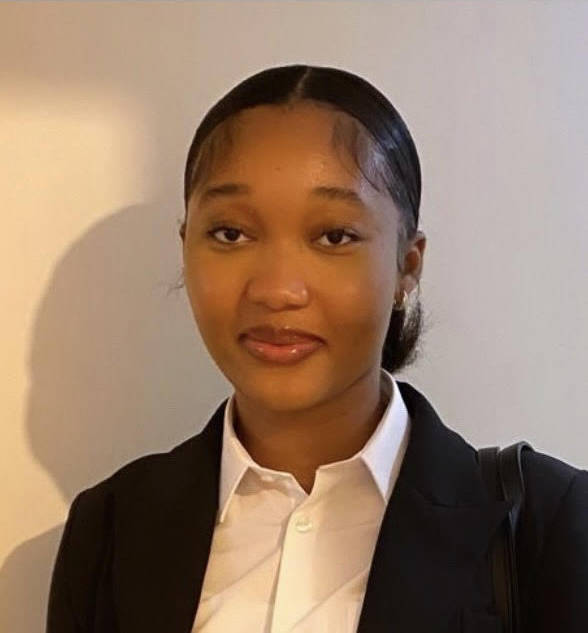
Rebecca, 22, from Manchester, also raised concerns over personal safety and the wider sociopolitical climate. She tells me: ‘In my opinion, the world currently is not a safe place for children and vulnerable people.’
After falling victim to a violent crime at just 18, Rebecca’s perspective on personal safety drastically changed, and she argues that ‘the world is not a safe place and there is not enough support available to support those in need.’
As a medical student with hopes of becoming a surgeon, Rebecca has spent several years being told that she may have to choose between her career and having children.
‘As a woman in the medical field, you are told that a family should not be a priority if you want to progress with your career,’ she notes frankly.
But Rebecca doesn’t see that as the end of the story. One day, she hopes to foster once her finances are more stable:
‘I have a strong maternal instinct and would love to express that to other children to best support them,’ she says.
For her, this is a chance to fulfil all her dreams. Those of having a family, but also a career and a stable income, while helping improve the lives of children who need support.
However, while some young women make a conscious decision not to have children, others make the choice out of necessity.
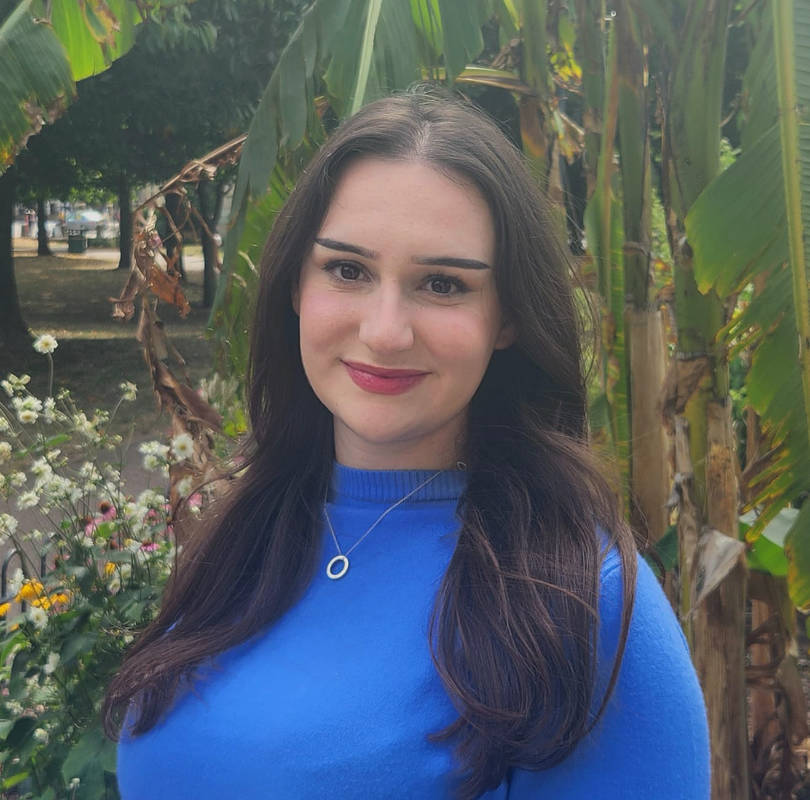
Abby, 25, from South Shields, has struggled with endometriosis for years. This has strongly influenced her willingness to have children as she worries about the medical complications that might occur.
She adds that this is one of many factors that have changed her perspective on having children, saying:
‘I have endometriosis, and I think that makes me want to have a baby when I am older. But at the same time the current economy and government and even big tech make me feel like it would be a selfish decision.’
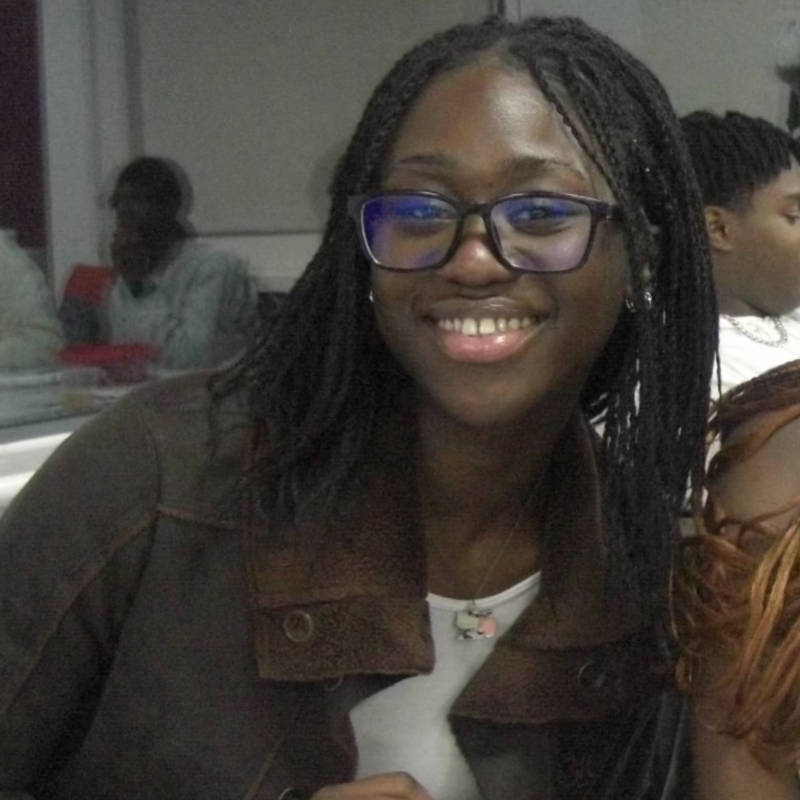
Lina, 22, from London, echoed this perspective:
‘In a world where the future feels incredibly uncertain, just by having children I feel I’m setting them up to fail. I am conflicted about having children if I can’t guarantee them a chance [at a good life].’
Social & Political Costs
Falling fertility rates are increasingly becoming a political and economic concern. A House of Lords meeting earlier this summer to discuss the society-wide effect of declining birth rates noted that when paired with an ageing population and longer life expectancy, the economic effect could be significant by 2100.
Political commentator Martin Beck, chief economist at WPI Strategy, raised legitimate concerns, saying: ‘fewer births today mean a smaller pool of workers in future.’ Adding that this ‘risks labour shortages and exacerbat[es] the dilemma faced by governments in weighing the economic benefits of more immigration versus the social and political costs.’
Though some young women don’t want children, many still do. The issue is the socioeconomic circumstances that make having children increasingly unfavourable. For my generation, a generation struggling to find permanent work or get on the housing ladder, when all things are considered, having a family feels like an impossible task. Maybe this will change, but right now, the future is too vague for many of us to risk losing what little stability there is by having a child.
DISCLAIMER: The articles on our website are not endorsed by, or the opinions of Shout Out UK (SOUK), but exclusively the views of the author.