Fascination With Extreme Violence (FEV)
A comprehensive resource hub for educators and young people to navigate the intersection of social media, extremism, and online safety with a particular focus on a fascination with extreme violence as an emerging ideology.
What is Fascination with Extreme Violence?
It is a situation whereby an individual does not have a focus on a specific ideology but an unhealthy interest in school shootings, terrorist attacks, or mass killings. People with a fascination will often share violent videos, dark memes, or idolise perpetrators online. Some of the key components of FEV include:
● Unhealthy interest/fixation on extreme violence
● Reinforcement through exposure and engagement
● Desensitisation to acts of extreme violence
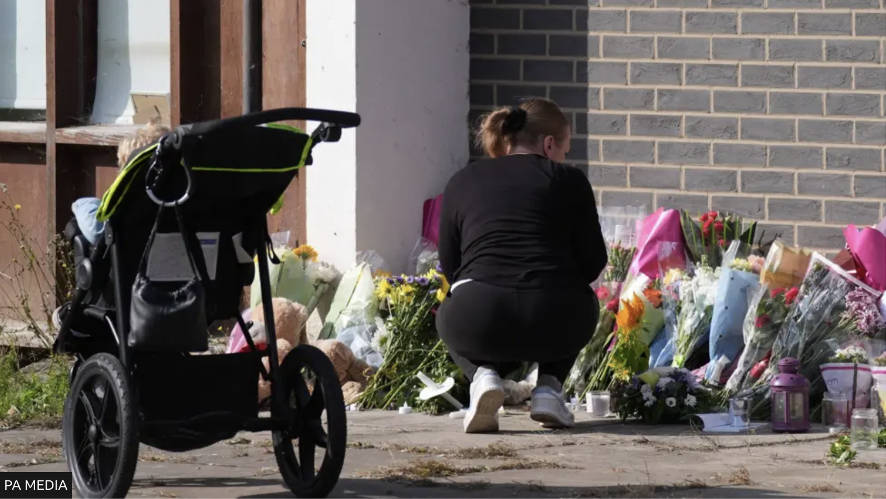
Floral tributes were laid following the discovery of the bodies of Prosper’s mother, brother and sister.
Nicholas Prosper was jailed for life with a minimum term of 49 years for the murders of his mum, Juliana Falcon, and teenage siblings, at their flat in Luton in September 2024.
The 19-year-old killer wanted to become the deadliest school shooter the UK had ever seen by opening fire at his old primary school in the Bedfordshire town. However, his plan was disrupted when neighbours raised the alarm after hearing a struggle from inside the family flat.
The Home Secretary Yvette Cooper said: “What we have seen again in this case again is senseless killings fuelled purely by a disturbing fixation with violence and obsessive brutality.”
BBC 2025
| For Professionals (CPD) | For Pupils (Ages 11-18) |
|---|---|
| The attached slides are aimed at upskilling staff on the existence of FEV, its relationship with other extremisms and how social media and algorithms play a role in the process of desensitisation all the way through to excitement/arousal at the idea of extreme/mass violence. | The attached presentation is designed to show where FEV fits into the risk landscape of extremism in North London. It explores how young people should approach social media and recognise potential harms as well as examining the psychology of social media with an explanation of the reason users are shown graphic/violent content and what we can do to protect ourselves. |
| Focus: Safeguarding, theory, and identification. | Focus: Media literacy, critical thinking, and empathy. |
| Core Concept: Understanding the “Gateway” to radicalisation and the psychological pull of gore/violence. | Core Concept: Why algorithms push violent content. What is the effect on the brain? |


Why is this important?
The horrific acts that occurred in Southport July 2024 there was an inquiry into the then contemporary Prevent guidelines, whereby there was a decision to upgrade and adapt, to deal with the new and evolving threat landscape. Exposure to violence and gore online is a common historical feature shared by many previous mass murderers in the UK. That is why the government commissioned Lord Anderson’s Report, which was published in April 2025 and set out new guidelines which includes as its primary point that: “Prevent should remain open to individuals falling within the existing category of “fascination with extreme violence or mass casualty attacks”. It was the report’s recommendation that frontline public sector workers subject to the Prevent Duty understand that those ‘fascinated with extreme violence or mass casualty attacks’ should be referred to Prevent, ensuring atrocious acts like Southport do not happen again.
Shockingly, a majority of referrals for FEV in 2025 came from the youngest cohort of secondary school children. The lack of moderation or appropriate controls on social media mean that frontline professionals need to be more informed of potential early warning signs and risks associated with FEV amongst their young people. As well as this, young people need to be informed of the potential risks of exposure to this content as well as for them to recognise the early warning signs for themselves and their friends.
If both CPD and Young people sessions are delivered/used, then teachers/frontline staff can be confident to take sessions with young people and explain concepts like algorithms with ease, ensuring a more robust application of the prevention mechanism.
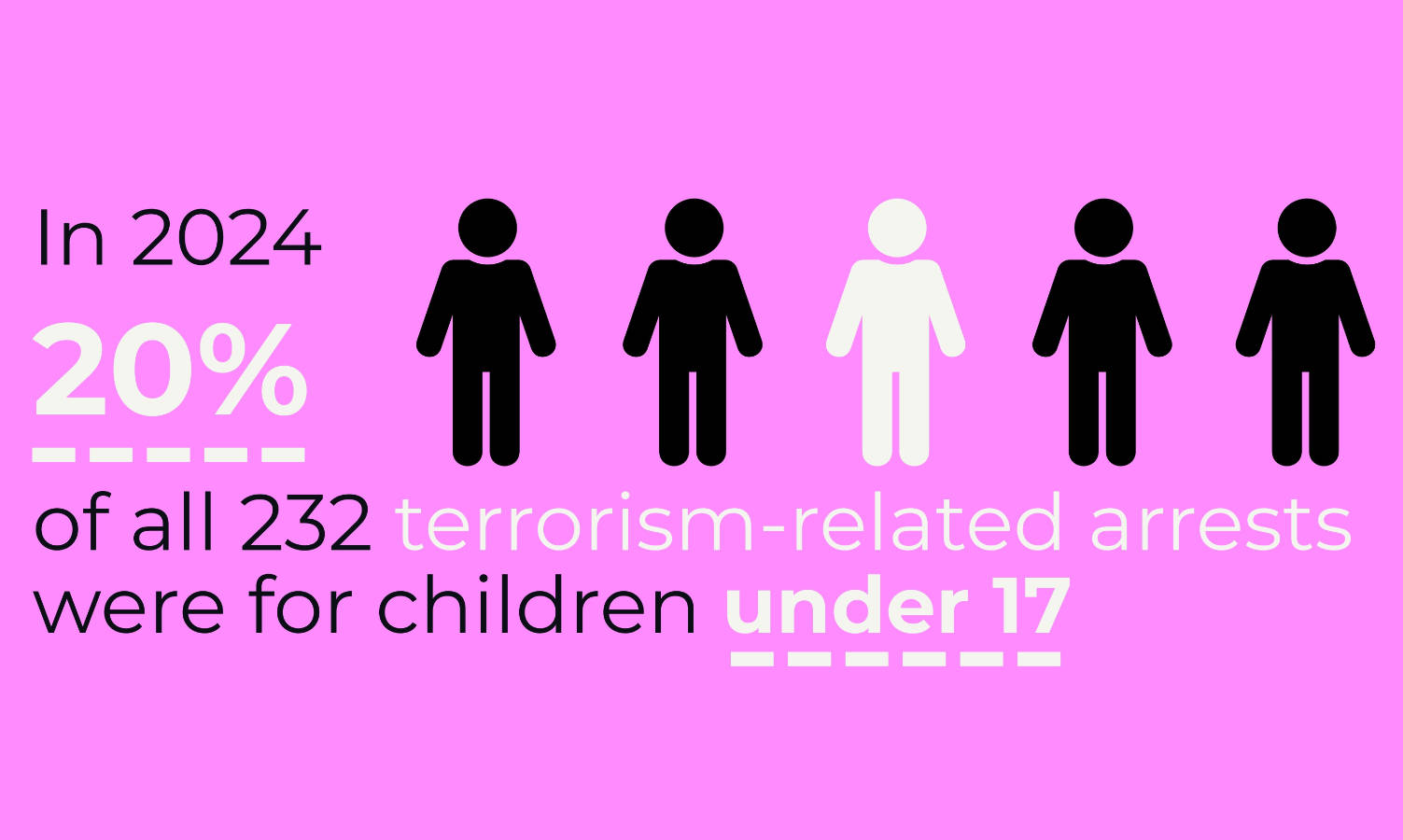
In 2024, 20% of all terrorism-related arrests were for under 17s.
Why is this important?
The horrific acts that occurred in Southport July 2024 there was an inquiry into the then contemporary Prevent guidelines, whereby there was a decision to upgrade and adapt, to deal with the new and evolving threat landscape. Exposure to violence and gore online is a common historical feature shared by many previous mass murderers in the UK. That is why the government commissioned Lord Anderson’s Report, which was published in April 2025 and set out new guidelines which includes as its primary point that: “Prevent should remain open to individuals falling within the existing category of “fascination with extreme violence or mass casualty attacks”. It was the report’s recommendation that frontline public sector workers subject to the Prevent Duty understand that those ‘fascinated with extreme violence or mass casualty attacks’ should be referred to Prevent, ensuring atrocious acts like Southport do not happen again.
Shockingly, a majority of referrals for FEV in 2025 came from the youngest cohort of secondary school children. The lack of moderation or appropriate controls on social media mean that frontline professionals need to be more informed of potential early warning signs and risks associated with FEV amongst their young people. As well as this, young people need to be informed of the potential risks of exposure to this content as well as for them to recognise the early warning signs for themselves and their friends.
If both CPD and Young people sessions are delivered/used, then teachers/frontline staff can be confident to take sessions with young people and explain concepts like algorithms with ease, ensuring a more robust application of the prevention mechanism.
This hub is part of a pilot program with The North London Cluster (Brent, Barnet, Camden, Enfield, Haringey, Harrow, Islington), delivered and provided to both students and professionals which aims to strengthen resilience to FEV and overlapping extremist narratives. This program gives professionals practical tools and guidance to respond to blurred ideologies in terms of safeguarding risks, while educating young people on how to identify emerging risks and think critically in the face of online manipulation.
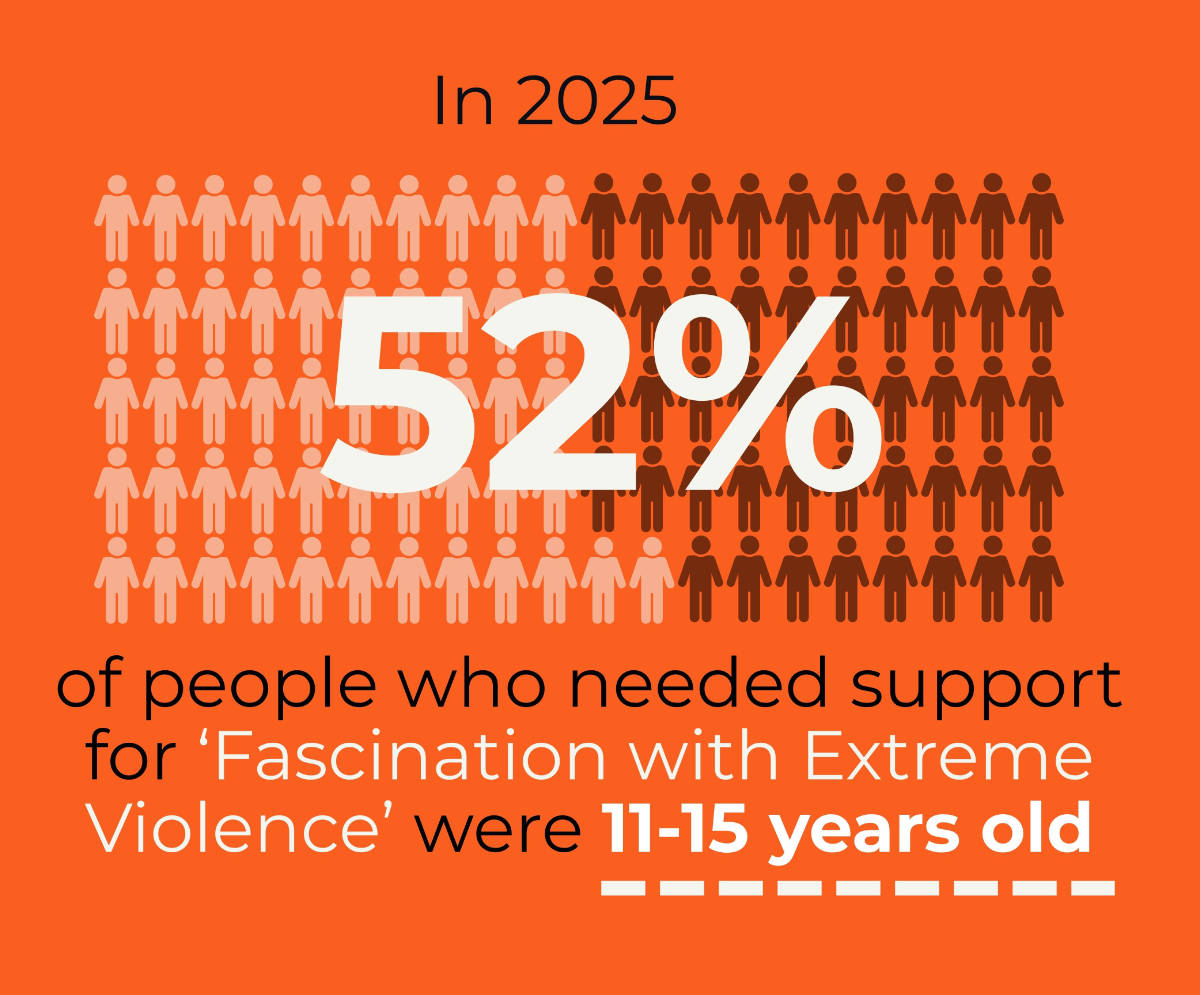
In 2025, 52% of people who needed support for “Fascination with Extreme Violence” were 11-15 years old.
This hub is part of a pilot program with The North London Cluster (Brent, Barnet, Camden, Enfield, Haringey, Harrow, Islington), delivered and provided to both students and professionals which aims to strengthen resilience to FEV and overlapping extremist narratives. This program gives professionals practical tools and guidance to respond to blurred ideologies in terms of safeguarding risks, while educating young people on how to identify emerging risks and think critically in the face of online manipulation.

Key Stats
21
Sessions delivered
1000+
Young people reached
7