
For centuries, young people have been charged with radicalism. From Charlie Kirk to Che Guevara, the youth’s rebellious streak has made them the most important piece on the political chessboard. And now, with the renewed artillery of social media, politics marches into a new, uncertain age. The media puppet masters have been adjusting their grip on young people, whose vulnerable minds are to be the victims of an era of disinformation. Indeed, increasingly, it feels like reality is being torn straight from the pages of an Orwell classic. And yet, the page-turning excitement you get from 1984 is turned sour with the realisation that it reads as true as night follows day.
In Search of a Leader
It’s 2025, and the chants of ‘OH JEREMY CORBYN’ have become nothing but the theme tune to a left-wing fever dream. The youth have lost their leader (whose head stands on a spike in Keir Starmer’s office) and, like a colony of minions, are seeking their new figurehead.
A candidate steps forward into the harsh gleam of the spotlight, the young judges gasp …, for standing before them is a man who is about as divisive as pineapple on pizza: Nigel Farage!
Yes, the same Farage whose name once evoked images of Brexit buses and pub debates has been rebranded, repackaged, and ready to capture the hearts of a generation disillusioned by the traditional political spectrum.
But how on earth did we get here?
Let’s rewind to 2019.
The clock strikes ten.
A devastating exit poll for Corbyn’s Labour and a harsh blow to the 56 per cent of 18–24-year-olds who had shared in his socialist vision for a fairer society (compared with the Conservatives’ meagre 21 per cent).
‘Jezza’ had had an undeniable charm, from captivating crowds at Glastonbury to filling a political void on social media, he skilfully engaged the 15-second attention spans of young people. But then, almost overnight, he was gone.
At that precise moment, in a pub somewhere in the country, the toothy grin of Nigel Farage spread from ear to ear. A growing disenchantment amongst young people would create a fertile ground for a populist movement that could claim to represent the forgotten ‘youth.’
So, six years on, here we are.
In our strange reality, a video of Nigel Farage complaining about oat milk has more views than Rachel Reeves’ budget announcement.
How Social Media Helped Radicalise the Youth
Social media has rapidly evolved into a digital battleground where young minds are increasingly vulnerable to radicalisation. Platforms like TikTok, YouTube and X serve not only as sources of short-form media content but as echo chambers where extreme views flourish. The algorithmic design of these spaces tends to encourage entertainment over accuracy, resulting in a dilemma I call: ‘Politicians vs Performers.’ This is a situation where political success is no longer defined by deep, thoughtful nuance, but by short 20-second performances of ‘rizz.’ And this is primarily why populism is so successful in the age of social media. While Nigel Farage may fall short of the economic substance of Rachel Reeves, he can garner more than 100 times the number of YouTube subscribers (4.36k vs 480k).
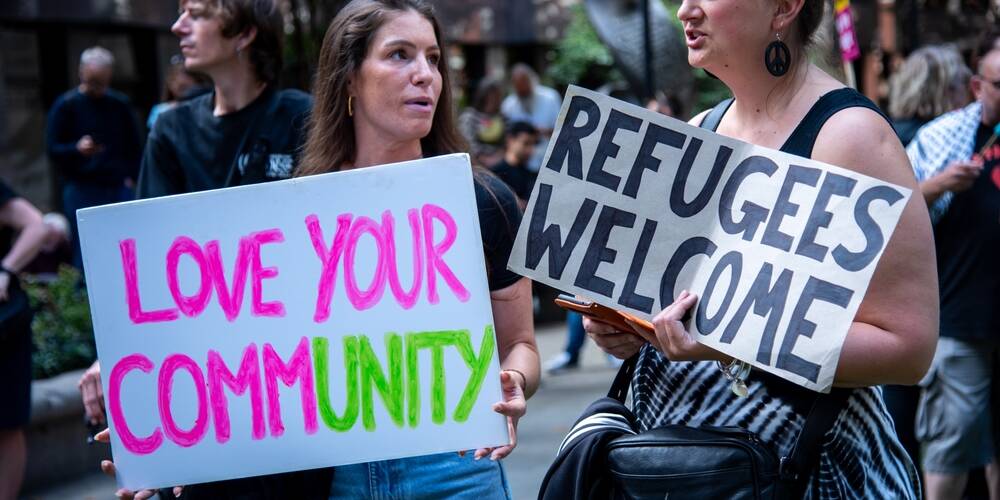
A study from Glasgow Caledonian University, conducted in collaboration with ten other institutions, delved into the role of social media echo chambers in the radicalisation of youth across Europe. This research, part of the ‘Cultural Drivers of Radicalisation’ project, examined how extremist groups leverage digital platforms to disseminate far-right, jihadist, anti-Semitic and anti-refugee content. The study found that such content not only bolsters recruitment efforts for extremist organisations but also increases the consumption of hate-filled messages among young individuals. Platforms like TikTok were specifically highlighted for hosting widely shared far-right and anti-refugee videos targeting the youth demographic. The research underscores how digital platforms and popular culture are instrumental in mainstreaming radicalisation, with echo chambers fostering environments where extreme ideologies and misinformation can thrive unchecked.
The national trend in Britain is mirrored across the continent, with France, Germany, Italy, and the European Commission expressing concerns over the wave of far-right, inaccurate media plaguing the screens of millions of young people.
A Note of Optimism
Despite the energetic campaigns of leaders like Farage, the right wing’s attempt to colonise the social media space is not as successful as many would believe. In the 2024 UK General Election, approximately 75 per cent of young people (18–24-year-olds) cast their vote for a centre / centre-left party, according to YouGov. Even today, YouGov polls Reform UK at only 8 per cent when it comes to 18–24-year-olds. Contrary to the much-reported wave of Gen Z support for far-right politics, most young people remain loyal to the progressive brand of politics once fashioned by Jeremy Corbyn, all those years ago.
DISCLAIMER: The articles on our website are not endorsed by, or the opinions of Shout Out UK (SOUK), but exclusively the views of the author.