
Concerns over bad actors attracted huge protests against digital IDs. But it seems that engaging with complete strangers online to pursue romance evokes no such concern. The pressure to join 4.9 million (one in ten) swiping Brits is huge, and is the reason my phone has a passcode. When it comes to dating apps, standard online threats are largely ignored.
According to dating writer Celia Walton Scott, ‘trendy and fashionable’ dating apps gained popularity by being ‘available 24/7′ as well as being ‘time-and cost-effective.’ Interweb dating is fuss-free and asks little of us. Perhaps for this reason, we mistakenly assume that it won’t threaten us with dishonesty or cybercrime.
Wanting It to Be Real
According to Celia, the mistaken assumption about safety comes from ‘people want[ing] a relationship with what they perceive to be true rather than the truth itself.’ Our projected desire sets the traps. Here, the author walks us through (or rather, around) them.
You don’t have to be an idealist to think erroneously. Taking the user agreement at face value creates the impression that it’s waterproof. However, masquerading is common and ‘more users than not are using untruths of some sort.’ Celia’s ‘three categories of catfishing’ include: Appearance, Job, and Relationship Status deception, which are all thriving. Captions like, Here is a picture of me, conveniently omit that it may have been taken five years ago. Exciting job titles exclude important details that this may only be a side gig. A ‘single’ person description can slyly leave out ‘but attached’ outside of work hours. Catfishers can even pose as rich aristocrats with publicly available AI-generated pictures superimposed over FaceTime video calls. The illusion can seem frighteningly real.
Mocking the Rules
Moral conscience is alarmingly thin in real life and even thinner online. Dating trolls are not bothered by it, and it hurts all the more when they burn you. No wonder it’s called ‘Tinder.’ Celia ironically reflects that this is ‘the least warm, and the most misogynistic’ sphere you can find yourself in. The dating app is a cesspit alive with ‘body part comments and remarks like, “Gosh, you talk a lot!” ‘ And it’s not just men who are aggressive. Celia’s dating archetype, the ‘Alpha Princess,’ seeks ‘to outdo the men she dates.’ Driven by Instagram worship, she’s convinced her life is complete without a partner. ‘What can you give me?’ her messages bark. A hostile challenge, but just the tip of the iceberg. The ‘battle of the sexes is alive and well on dating sites, and men are struggling to find their place,’ says Celia. And though this behaviour violates the users’ commitment to maintaining a positive and respectful community, you only need a VPN to sign yourself back in after a ban. Unregulated technology makes a mockery of the terms of use.
Dangerously ‘Good’ Intentions
The fear of being replaced by countless other options terrifies users into holding onto manipulative suitors and believing their every word. The online dating scene is an ideal tool for dishonest players. Younger men may contact older women with, I’ve changed my profile age to message you, appearing to come clean. And when fraudsters pose as wealthy aristocrats, claiming their funds are ‘held up,’ this too appears sincere and a cry for help. These false confessions eradicate suspicion from fake flattery and ‘love bombing,’ the very steppingstones on which women have sleepwalked into all-consuming cyber relationships with men who were only after their money.
Giving What Daters Want?
Instagram reveals what daters want, while matchmaking sites, together with targeted advertising, do the rest of the work. The Gram has given Gen Z girls unrealistic expectations about love, argues Celia. She puts the 18-25 age group at ‘almost 50 per cent of dating app users,’ adding that, ‘five years ago, this was not the case.’ Schmalzy comments like, you are amazing, don’t settle for anything less than perfect, have ‘driven our sense of self-worth and women daters now come with (extremely high) demands’ à la the zeitgeisty song Man in Finance. But the chances of finding one with a ‘trust fund, 6’5″, blue eyes’ … are literally 3.2 in 10 million. Yet the dropdown list makes this elusive creature seem just a tap away. After all, the app wouldn’t allow us to profile someone who’s not real, right?
Highly Selective Users
Dating sites don’t care to flag users who severely restrict their candidate pool. When it comes to online dating, ‘it’s not what’s communicated, it’s what isn’t communicated’ that misleads daters, says Celia. The billion-dollar industry is loath to alienate an ever-growing client base, and users aren’t looking for omissions. The perfect relationship is dangled like a giant carrot within one’s reach with impunity. In fact, the more impossible your unique demands, the better, because it lengthens subscriptions. The so-called positive and respectful community is a verbal smokescreen. Driving a wedge between the sexes is far more profitable. The ‘Alpha Princess’ thinks she’s in charge of her own destiny. The app owners haven’t told her she’s making them oodles of money, while also creating a market for something much darker.
The ‘held-up funds’ fraud is an example of a pig butchering scam. Fraudsters build a rapport with their target by ‘fattening them up,’ before attempting to steal their money while posing as their dream person. Online dating is tailor-made for this high-stakes deception. And it’s often a coordinated effort. Far East trafficked workers are forced to meet their scam targets to avoid beatings and mutilation. The result is countless women and men who have lost their homes and are ‘tens of thousands of pounds’ in debt, says Celia.
The irony is glaring. For something so full of promise, online dating conceals a lot of ugly truths.
Celia’s Safe Online Dating Tips:
- If you ‘vibe’ with someone, meet IRL as soon as possible. This will prevent the rabbit-hole effect
- If you are talking to someone, suggest a video or phone call. If your contact/suitor goes quiet or refuses, that is a real red flag
- Immediately block anyone who sends you an abusive message
- Remember, the app is just a mechanism for meeting, not a magic portal to a relationship
- Remember, some people do fall in love this way, but you need stamina (and to kiss a lot of frogs)
- Anyone who alters their age settings to contact you is violating the terms of use: report it immediately
Further Listening: After getting trolled, novelist Angela Clarke raised fears over technology outrunning legislation back in 2016. Listen to the interview here.
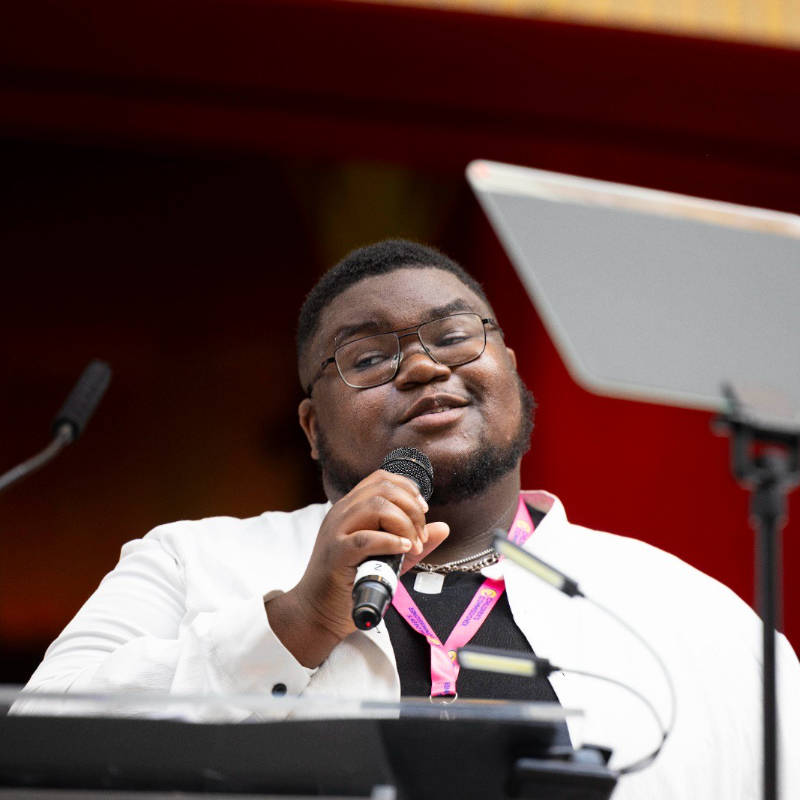
About Celia Walton-Scott: Celia is the author of Kiss These 100 Frogs Goodbye! and co-author alongside Reuben J Allen of 100 Princesses Not To Return The Glass Slipper To.
DISCLAIMER: The articles on our website are not endorsed by, or the opinions of Shout Out UK (SOUK), but exclusively the views of the author.