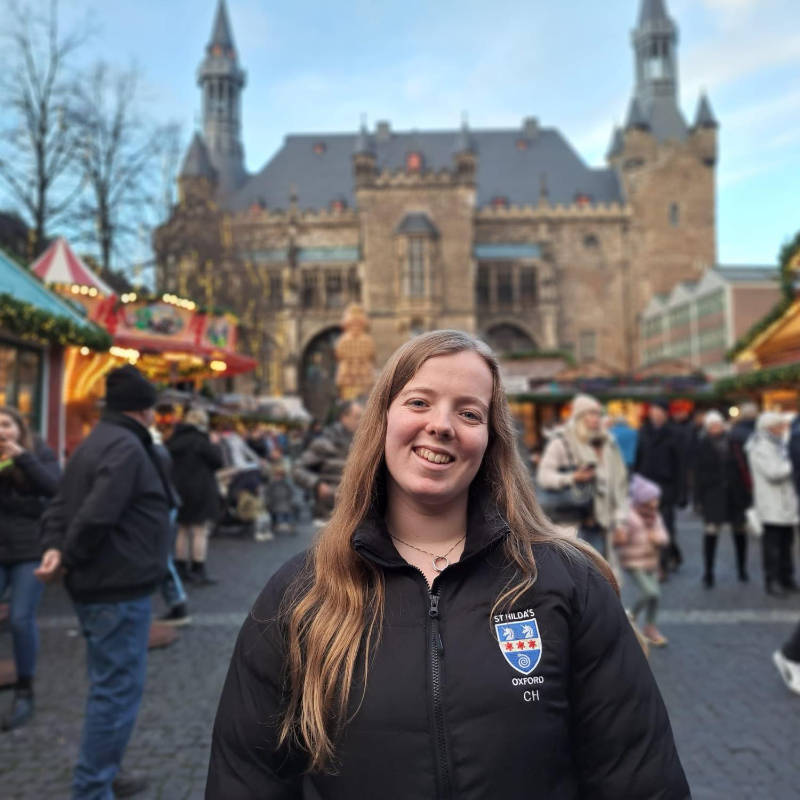

Last year, I was in Prilep, North Macedonia, on a rock-climbing trip. I went to pick up rental equipment from a local instructor, and he invited me in for dinner with his wife and mother. We sat for hours drinking local wine and sharing a delicious home-cooked meal while exchanging stories about climbing and discussing our respective cultures and traditions. The next day, he introduced me to some local climbers and drove us all to the crag to boulder. We had an amazing time. One of the climbers invited me back to his family home to eat, and I was welcomed like an old friend. His mum offered me their guest room and gave me her number. ‘Promise me you’ll call me if you need anything at all whilst you’re here,’ she said as she hugged me goodbye after driving me back to my Airbnb.
Places and People
I could write endless pages telling stories like these.
On my trip to Laos, I met a local farmer when I was out hiking. I helped him to carry some planks of wood, and we chatted about growing up in our home countries, our career ambitions, and our hopes for the future. He then drove me for over an hour on his moped to the train station, refusing to accept my offers of payment.
On my first day in Peru, the lady next to me didn’t speak any English. We exchanged pictures of our families, and she offered me a sandwich and a banana.
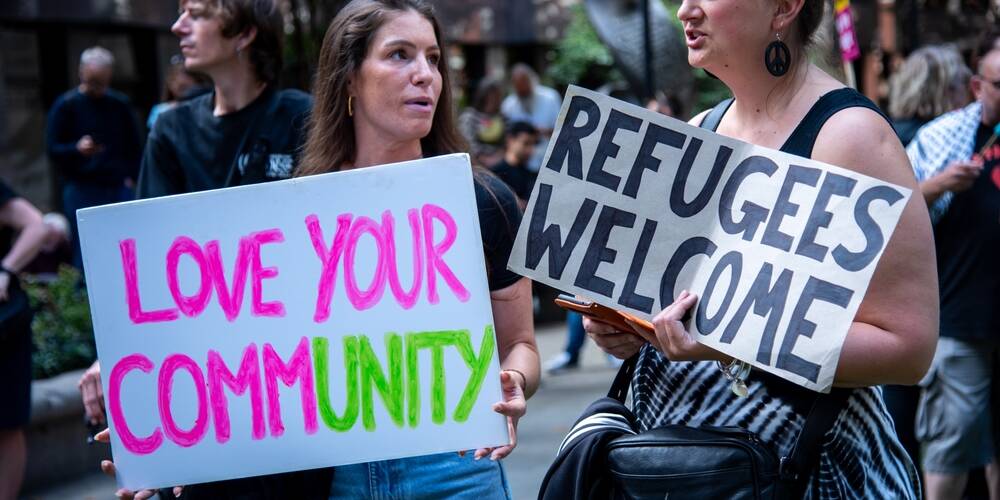
You should have guessed by now that I love to visit distant places where the locals are trusting and kind to strangers. Places where foreigners are welcomed warmly, and the sense of love and community is touchingly strong. I can’t help feeling that all humans are supposed to live this way; talking with strangers, sharing meals with strangers turned friends, helping each other carry bags or to get home safely. But these natural gestures of goodwill are rarely found back home. And, they’re even actively discouraged.
British Aloofness
In British culture, we tend to be reserved and courteous with each other. We’ve also been taught to be wary of strangers’ kindness and not to trust outsiders. Presently, however, all indicators show a growing sense of loneliness in the country. At least 7 per cent of Brits report feeling chronic loneliness. Notably, younger people experience higher levels of loneliness, with a combined 19 per cent of 16-to-34- year-olds admitting to feeling chronically lonely.
In Britain, our main mode of interaction with strangers consists of upholding shallow small talk when necessary, and sitting apart and in silence on buses, trains and in waiting rooms. If someone boldly offered to help carry your bags, or invited you round for dinner, or proposed driving you home, such behaviour would likely be treated as highly suspicious rather than kind. Of course, being cautious is prudent, and being wary of kind-looking strangers trying to get you into their car can be important for safety, especially if you’re a woman. But an excessive amount of distrust, bordering on paranoia, has created a disconnected culture of cold and indifferent people all minding their own business.
It is difficult to identify the exact reasons for the cultural differences in how people treat strangers. Politeness and privacy have traditionally been valued in British culture as marks of respect and good manners. Even today, conversational norms continue to prioritise indirectness and being non-intrusive. Many Brits also tend to assume that people want to be left alone. And sometimes, some of us do, of course. But this well-meaning stance has resulted in a self-fulfilling prophecy, of sorts. Think about it. The less we trust strangers, the less inclined we are to attempt conversing with them, and the more daunting the task of offering or accepting help from people we don’t know.
In British schools, children are warned about ‘stranger danger.’ Of course, this is an important caution to help keep children safe. But the life lesson this message delivers can be detrimental to social cohesion. I remember being told to yell ‘fire,’ rather than ‘help,’ if I was being attacked in public, since bystanders would be unlikely to respond to calls for help. The childhood idea that strangers are threatening and to be avoided helps sow the seeds for a cold, disconnected community that we see today. A community that responds better to a fire alert than to a genuine plea for assistance from a fellow human.
Learning to Interact Safely
Can we ever overcome our mistrust of strangers to foster a warmer, more welcoming community? I believe we can. Shifting ingrained cultural norms is an overwhelming task, but we can all make a start by simply being friendlier and more aware in public. Put away your smartphone when sitting in a café or riding the tube, and pay attention to the people around you. You will undoubtedly notice somebody who needs help or looks like they could use some company. Be observant and help if you can. There’s a fine line between being pushy and being caring. You’ll be surprised how quickly people respond to kindness. And, if you are lucky enough to travel, immerse yourself in other cultures and take inspiration from the numerous ways people have learned to interact with each other. We are and always have been social creatures; let’s embrace that part of our basic nature and make our world a little friendlier, a little kinder.
DISCLAIMER: The articles on our website are not endorsed by, or the opinions of Shout Out UK (SOUK), but exclusively the views of the author.