
I remember a time not so long ago when mentioning Florence to foreigners drew looks of fascination, together with a puzzled tilt of the head and the inevitable question, ‘Ah yes, but where exactly is it?’
The Florence I grew up in was a place with hidden corners, artisan workshops humming with centuries-old crafts, and piazzas where locals gathered at public assemblies to discuss matters concerning the daily life of the city. Back then, the city still felt like a well-kept secret: cosy, intimate and familiar.
A Wave of Gentrification
Growing up I used to live in San Frediano, a neighbourhood proud of being just far enough from the overwhelming crowds that flooded the city’s main arteries, allowing residents to hold on to a sense of belonging and shared memories; the neighbourhood acted as a border, with one half of it being in the tourist area and the other half being pretty much unknown.
For a long time, despite the steady flow of tourists, San Frediano remained rooted in the lives and the needs of its residents. But, as you might suspect, the geographical proximity to tourist sites meant that this unknown territory was soon to become a catalyst for urban gentrification, encouraging the rise of tourist-oriented cafes, restaurants and luxury apartments.
The grip began to tighten, and everything became smaller and more confined, including the lives of Florentines. In the meantime, rents have skyrocketed, and most of us, in today’s Florence, can’t afford a decent home. Many of the people I know did not just arrive in Florence at some point only to pass through. We were born here; it’s our city. But the message from the municipality to its residents is just one: you are too poor to stay.
In short, the city became overwhelmed with newcomers. Many in my neighbourhood started to live at the margins, excluded from public spaces to make room for the tables and chairs that now line eye-catching, tourist-centric cafes. Unsurprisingly, many locals no longer have the choice of where to eat and drink. Everything has adapted to this bleak game of survival, where everyone feels compelled to raise the stakes, to devour in order not to be devoured. The result is a city centre that feels less like a home and more like a theme park where residents struggle to maintain their place amid rising gentrification and overcrowding.
What is Overtourism?
In simple terms, overtourism occurs when too many people pick the same destination and at the same time, thereby overwhelming a place’s capacity. While there’s no universal cap on visitor numbers, a combination of economic, social and environmental pressures signals when tourism goes from being beneficial to harmful.
Florence saw 1.5 million tourists last summer alone, a 6.6 per cent increase from the previous year. As the number of tourists grows, the balance tips. Overcrowding, however, is an issue for both locals and travellers alike. For one thing, it can ruin the experience of sightseeing for those trapped in long queues, unable to visit popular museums, galleries, and historic sites without prebooking. Add to this the escelationg costs of basics like food, drink and accommodation, and you find yourself faced with the reality of maybe never seeing Florence in relative solitude.
Nevertheless, the tourist industry is undeniably vital to Florence’s economy. It generates substantial revenue, creates jobs, and stimulates local businesses, which rely on the steady influx of visitors. In 2024 alone, the municipality gained approximately 70 million euros in Tourist Tax Receipts. However, while the tourist industry requires high management and operational costs, it also creates a monocultural economy where tourist-driven businesses gradually erode and replace traditional artisanal ones.
The Erosion of Artisan Economies
Florence’s economic identity has always been tied to its artisans, goldsmiths, leatherworkers, and bookbinders whose crafts have been passed down for generations. But as overtourism reshapes the economic landscape of the city, these traditions are increasingly under threat. The eviction of Tommaso Pestelli, a goldsmith whose family workshop had stood on the famous Ponte Vecchio bridge since 1908, to make way for a luxury hotel, is emblematic of this loss.
As Florence’s artisan workshops are shuttered or squeezed out, the city’s sense of authenticity erodes in tandem. Tourists seeking genuine Florentine craftsmanship instead encounter mass-produced souvenirs and global brands. This shift not only undermines the livelihoods of skilled craftspeople but also hollows out the city’s cultural richness, transforming Florence from a living repository of artisanal excellence into a stage set of its former self.
For young artisans, the future of carrying on the family craft looks increasingly uncertain. Rising rents and the prioritisation of tourist businesses make it nearly impossible to sustain a traditional craft in the city centre. As a result, Florence risks losing not just its residents, but also the unique skills and stories that define its character.
Housing Crisis: The Airbnb Effect
This is not just about the rising destitution or the outskirts, which deserve a discussion of their own. The other tragedy of Florence concerns the middle segments, the impoverished middle class. It affects families living on two salaries. It affects all those who have no income from assets, no inheritance, and no birthright privileges.
The proliferation of short-term rentals, especially through platforms like Booking and Airbnb, has completely transformed the relationship between the city and its residents. Between 2016 and 2023, the number of properties listed on Airbnb in Florence soared from about 6,000 to nearly 15,000, while average residential rents jumped by 42 per cent. To benefit from this, many landlords have converted long-term rentals into lucrative holiday lets, drastically reducing the availability of affordable housing for residents.
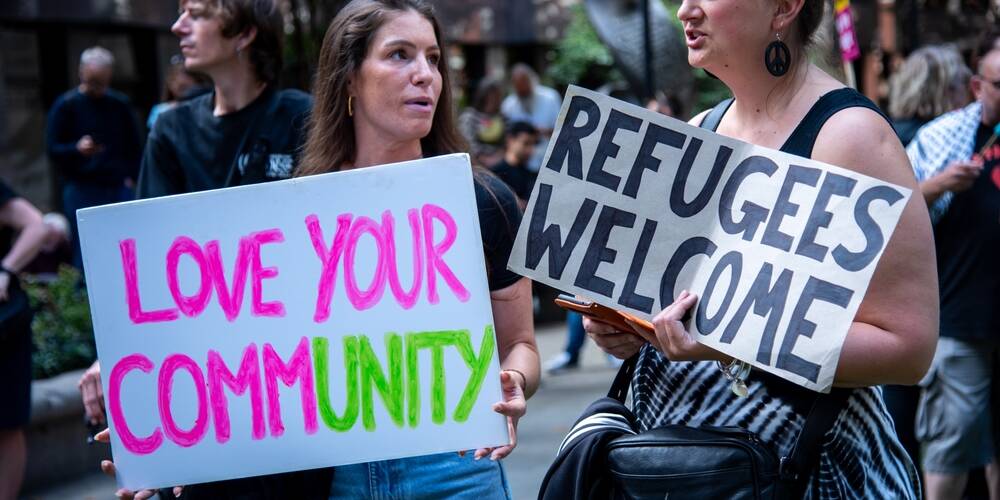
Last November, the people of Florence staged a protest during the International Tourism Forum, scrawling on dozens of key boxes (the small lock boxes where keys for short-term rental apartments are left) ‘Let’s save Florence so we can live in it.’ The mobilisation, the largest against overtourism in the history of Florence, made visible a resentment shared by many of my peers who feel increasingly alienated from the city we still call home.
Local Response and Search for Balance
Thankfully, the city council is not standing idly by. In 2023, it introduced a ban on new short-term vacation rentals in the historic centre and offers tax incentives to landlords who switch back to long-term leases.
The tourist tax has become an increasingly common tool. In 2024, Venice introduced a €5 fee for day-trippers to target the vast numbers of tourists who flood the city and contribute to overcrowding and environmental pressure, without staying overnight.
There are also efforts to promote attractions outside of the city centre, encouraging visitors to explore lesser-known neighbourhoods and surrounding villages to reduce the pressure on the most crowded sites. These measures are steps in the right direction, but their effectiveness remains to be seen.
The Way Forward: Sustainable Tourism
Overtourism is not just an Italian problem; it’s a global phenomenon that demands local solutions. For Florence, the challenge is to preserve its cultural heritage and local traditions while keeping the needs of residents at its heart.
Supporting local artisans, protecting affordable housing, and ensuring that the city’s economic gains do not come at the expense of the majority of its residents, are some of the ways to tackle the adverse effects of overtourism. However much it may benefit the economy, Florence’s beauty and legacy are too precious to be sacrificed on the altar of a tourism frenzy.
As locals, we are not against tourism; we simply want to ensure that our city remains a place where future generations of Florentines can live, work, and thrive.
DISCLAIMER: The articles on our website are not endorsed by, or the opinions of Shout Out UK (SOUK), but exclusively the views of the author.