
Young people, experts and MPs call for stronger regulation, better education and investment in youth spaces, not blanket bans
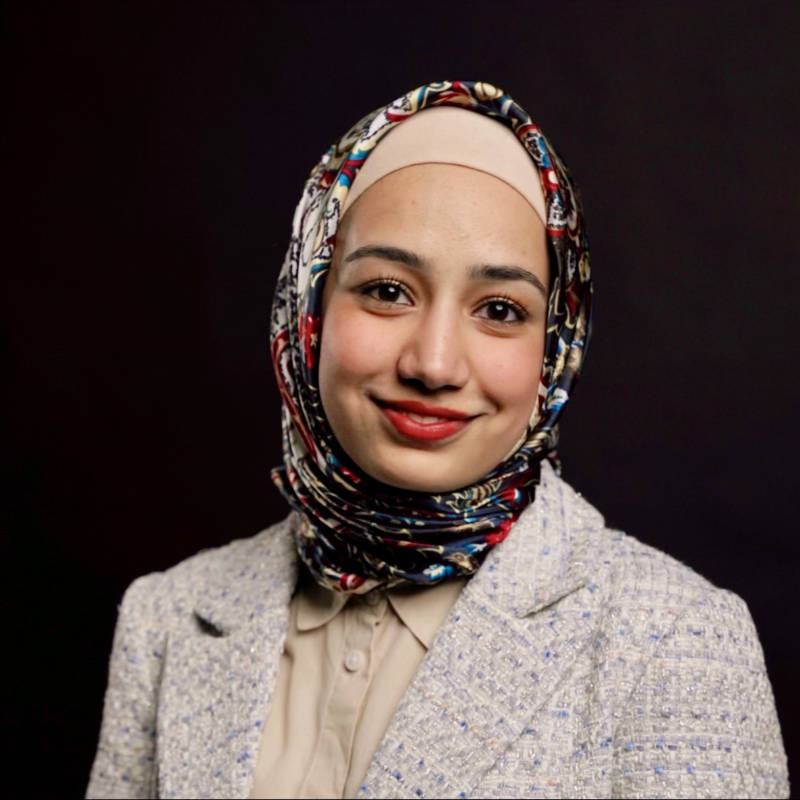
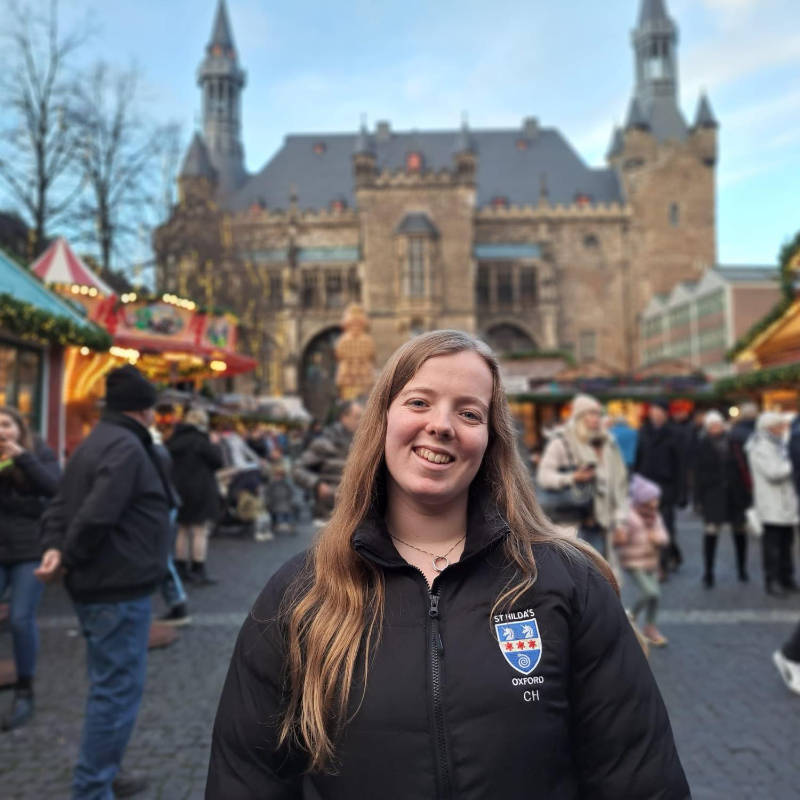
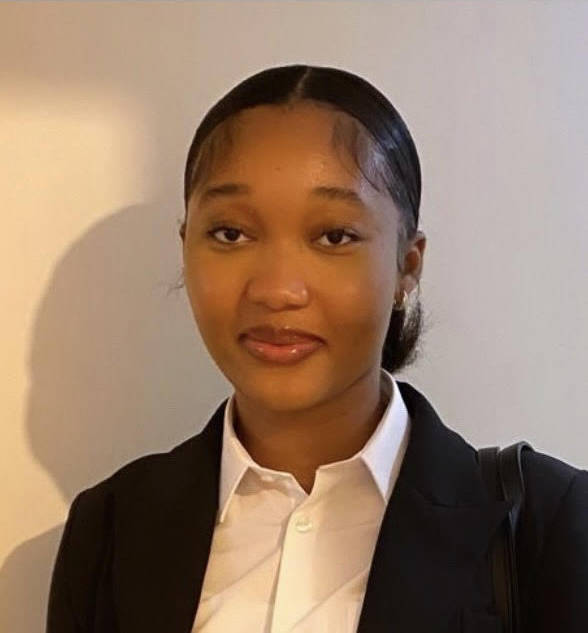
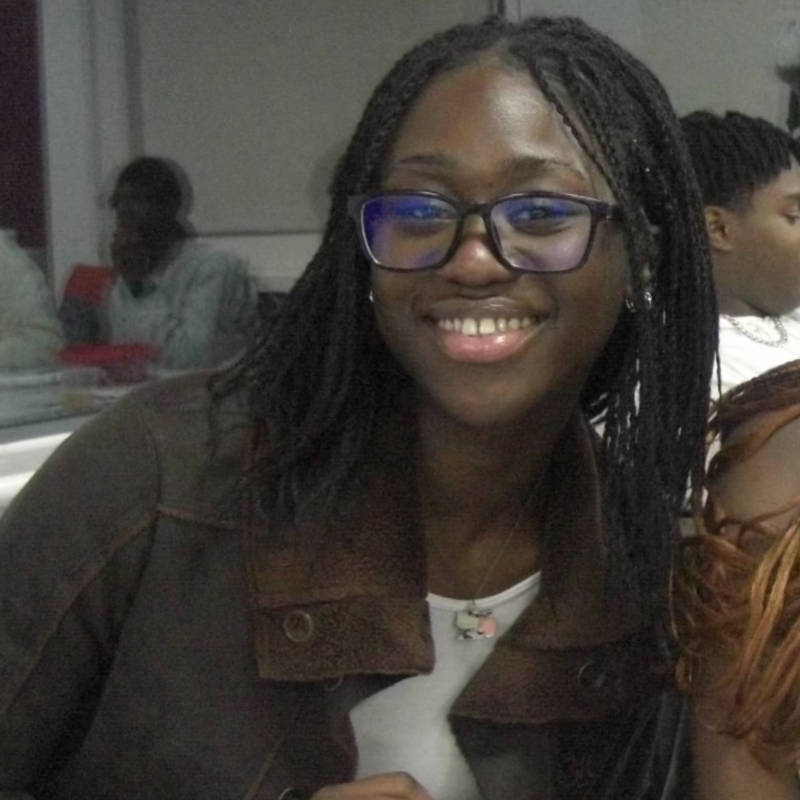
Young people have urged the Government to reconsider proposals for age-based social media restrictions, warning that blanket bans could do more harm than good, at a joint parliamentary session bringing together two influential All-Party Parliamentary Groups (APPGs).
The APPG on Political and Media Literacy and the APPG on Youth Affairs convened on Monday 13 April for a joint session exploring the Government’s “Growing up in the online world” national consultation. The session brought together more than 85 attendees, the majority of whom were young people, alongside MPs, sector leaders and academics.
Chaired by Natasha Irons MP, the session provided a rare platform for young people to speak directly to policymakers about their lived experiences of growing up online.
Young people: “Don’t shut us out. Work with us”
Across the session, a consistent message emerged: young people do not support a full ban on social media.
Instead, young people are calling for:
- Stronger regulation of tech companies
- Greater investment in media literacy and education
- More safe, offline “third spaces” for young people
- A shared responsibility across government, industry and families
Many warned that bans would simply push activity into less visible and potentially more dangerous spaces.
One young speaker described social media as “not separate from real life”, while others highlighted its role in connection, creativity and access to opportunities, particularly in the context of declining youth services.
Experts highlight risks of unintended consequences
Panellists reinforced the complexity of the issue.
Charlton Brown of Shout Out UK highlighted mixed reactions among young people, noting that while the risks are understood, restrictions could increase isolation if not paired with education.
Andy Burrows, Molly Rose Foundation, emphasised that while online harms are real and urgent, “a blanket ban would not remove the harm” and risks overlooking the responsibility of technology companies.
Professor Victoria Goodyear, University of Birmingham, pointed to a lack of clear evidence that bans improve outcomes, warning that focusing solely on social media risks ignoring wider factors affecting young people’s wellbeing.
MPs: “We must listen to young people”
MPs from across Parliament reflected on the importance of hearing directly from young people.
- Darren Paffey MP highlighted social media’s role as a “third space”, particularly as youth centres decline
- Jim Dickson MP noted there was no support in the room for a full ban
- David Williams MP stressed the need for education for families and young people
- Natasha Irons MP called for stronger regulation and designing out harm online
A clear call for action
The session concluded with a shared understanding that:
- Young people must be central to policy decisions affecting them
- Responsibility should not sit solely with young people
- Tech companies must be held accountable
- Education and digital literacy are critical to long-term solutions
Insights from the session will feed directly into the Government’s national consultation on young people’s online experiences.
Amelia Fairney, Head of Strategy and Communications for Shout Out UK, Secretariat for the APPG on Political and Media Literacy, said:
“It was very clear from our session that young people are already engaging critically with the online world and understand both its risks and its opportunities.
The answer is not restriction alone, but empowerment, equipping young people with the tools, knowledge and confidence to navigate digital spaces safely.
Media literacy must sit at the heart of any meaningful solution.”
The government consultation is open to responses until 26th May. Click here to have your say,

Shout Out UK
We are a multi-award winning social enterprise that provides impartial Political and Media Literacy training and campaigns focused on democratic engagement and combatting disinformation online, tailored to local circumstances and culture.