
Protecting young people online requires a commitment to education and tackling the tech giants, not just banning young people from social media. Our response to the government’s Under-16 social media ban
Today’s announcement by Prime Minister Keir Starmer of a blanket social media ban for children under 16 marks a radical shift in how the UK approaches the digital world. Alongside the APPG on Political and Media Literacy we have long campaigned for young people’s experience of the digital environment to be a safer and more positive one. We fully share the government’s urgency to address social media harms, which include poorer mental health, predatory algorithms and radicalisation. We are concerned, however, that a total ban risks being a blunt instrument for a highly complex problem.
We believe that true digital safety cannot be achieved simply by switching off the screen. As it proceeds with implementation, here is what we ask the government to consider:
- By legally blocking under-16s from mainstream, public-facing platforms like TikTok and Meta —which have at least faced intense regulatory scrutiny under the Online Safety Act—we risk creating a digital migration to less safe platforms.
- Young people do not stop needing community or communication when a law is passed. Without access to mainstream apps, many will inevitably shift to less visible, highly decentralised, or less regulated closed platforms such as Discord and Telegram. In these spaces, moderation is notoriously difficult, echo chambers are tighter, and the risk of exposure to extreme content, radicalisation, or grooming can be significantly higher.
- We urgently need more details. The government has promised more in July regarding overnight curfews and restrictions on infinite scrolling. However, we need comprehensive clarity right now on the following: Which apps and features will be prohibited? What concrete age-assurance technologies will Ofcom deploy that don’t compromise the data privacy of everyday citizens? A policy of this magnitude cannot be built on vague promises—the lack of detail leaves young people, parents, and tech platforms in limbo.
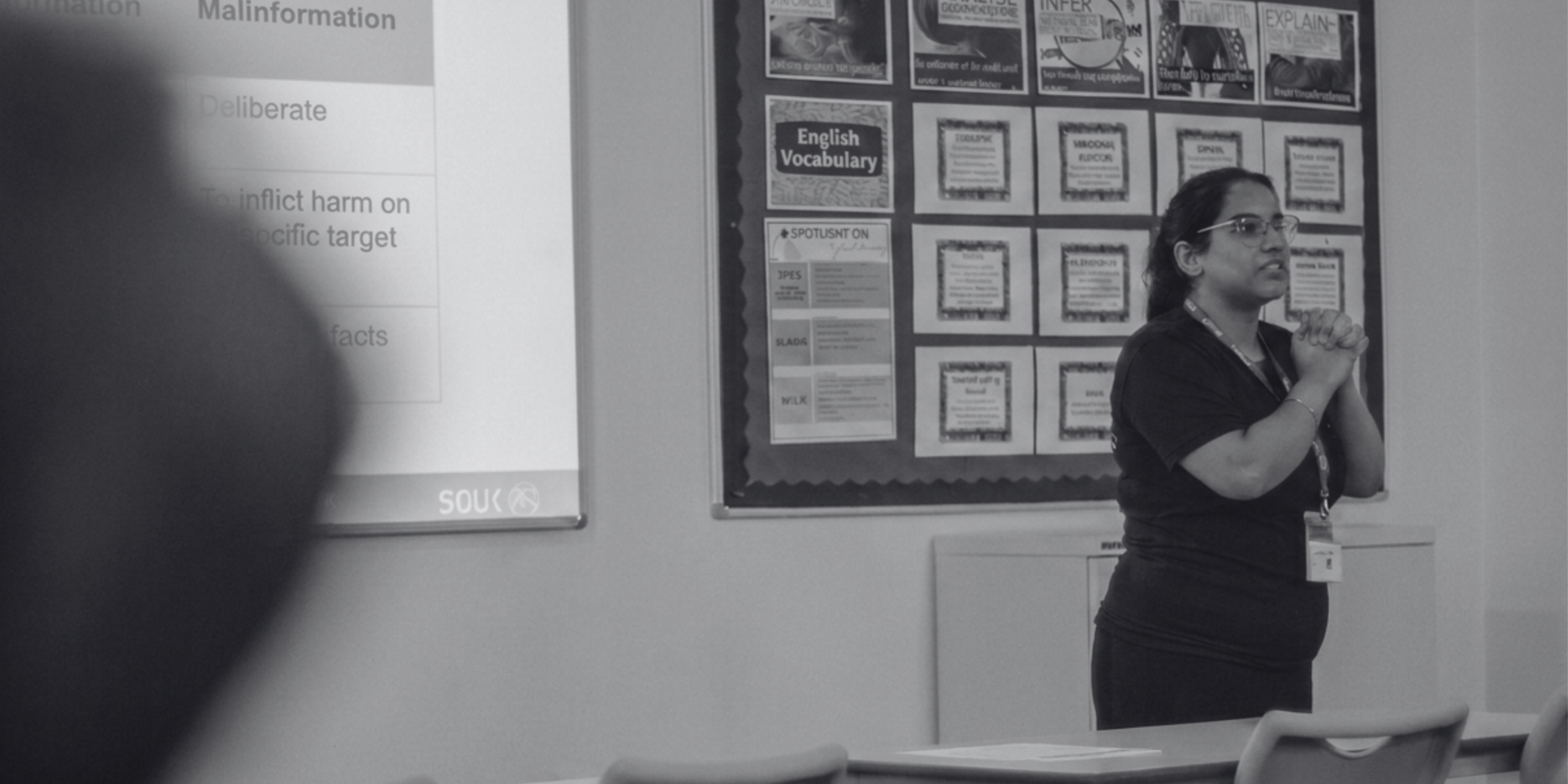
- What is the role for media literacy education efforts in the government strategy? You cannot teach a child to swim by keeping them away from the water. For years, educators and organisations like our own have worked tirelessly to embed media literacy into the fabric of youth education. We teach young people how to spot misinformation, question algorithmic bias, understand deepfakes, and navigate digital spaces safely. A social media ban must not undermine these efforts. If young people are entirely locked out of these platforms until they turn 16, without education, they will enter the digital world at an older age completely unequipped, without the guided supervision of teachers and parents.
Statement from Matteo Bergamini MBE, CEO and Founder of Shout Out UK:
“We must ensure that in trying to protect young people, we do not completely isolate them from the digital spaces where they learn, connect, and build communities. While online safety is paramount, a blanket ban risks cutting off under-16s from vital peer support and democratic engagement. We are delaying the problem, not solving it.
We must not let this ban set back media literacy efforts. Our concern is that by banning social media entirely, we may miss the opportunity to teach young people how to navigate algorithms and misinformation safely and build their long-term societal resilience. The focus must remain on holding tech giants accountable for creating safe, transparent environments, rather than just locking the doors and hoping children don’t find a way through the back window into far more dangerous, unregulated closed spaces like Discord or Telegram. You don’t teach children about safely navigating the outside world by keeping them locked inside… digital spaces are no different.”
A healthy democracy requires following the evidence, listening to experts who work in the sector, as well as the people impacted by a policy: in this case children. The Prime Minister has emphasised that he has listened to the wishes of many parents, and we respect that. However, we need a strategy that prioritises robust regulation of Big Tech, aggressive media literacy funding in schools, and nuanced age-appropriate safety features, rather than a total blackout.

Shout Out UK
We are a multi-award winning social enterprise that provides impartial Political and Media Literacy training and campaigns focused on democratic engagement and combatting disinformation online, tailored to local circumstances and culture.